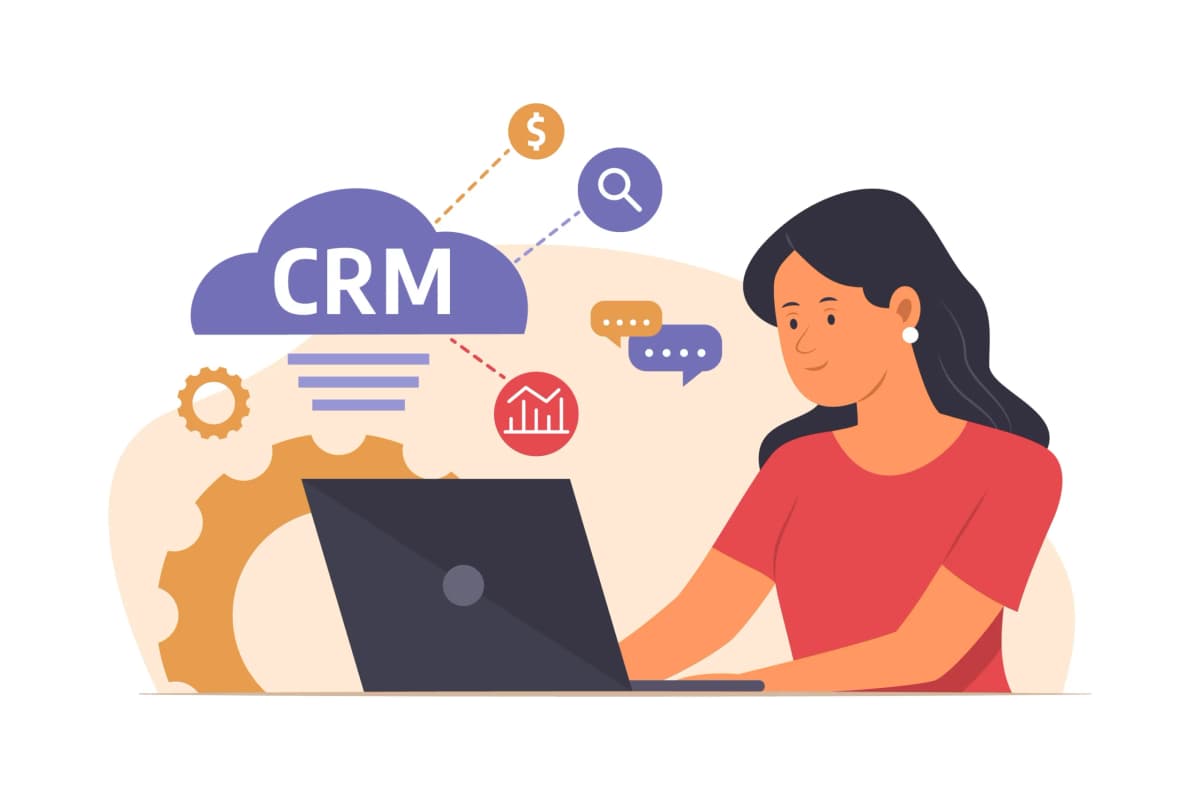
Customer Relationship Management (CRM) software is the backbone of successful modern businesses. It empowers organizations to manage interactions with current and potential customers efficiently. In today’s competitive landscape, developing custom CRM solutions is a game-changer, enabling companies to streamline operations, improve customer experiences, and increase profitability. In this article, we will explore CRM software development services, discussing their benefits, the development process, and the critical features that make CRM systems vital for businesses.
Introduction to CRM Software Development Services
CRM software development services involve the design, creation, and deployment of customized CRM systems tailored to meet the specific needs of a business. These services are offered by specialized software development companies that possess expertise in CRM architecture, data management, and customer interaction tools. When a company partners with a trusted CRM development service provider, it gains the ability to track customer interactions, manage sales pipelines, and automate marketing processes, all within a single integrated platform.
Unlike off-the-shelf solutions, custom CRM development ensures that the software is designed to align perfectly with your business model, workflows, and goals. For businesses aiming for scalability, personalization, and seamless integration with existing tools, CRM software development services are indispensable.
Why Invest in Custom CRM Software Development?
Investing in custom CRM software development services is a strategic decision for any growing business. While many companies opt for generic CRM solutions, custom CRM systems are designed to cater to the unique challenges and requirements of a specific organization. Here are some reasons why businesses should choose custom CRM development:
- Tailored Solutions: Custom CRM software can be designed to fit your company’s specific processes, ensuring efficiency and productivity.
- Scalability: As your business grows, a custom CRM solution can evolve with it, accommodating more users and functionalities.
- Better Integration: Custom CRM systems integrate seamlessly with existing tools such as ERP systems, marketing automation platforms, and accounting software.
- Data Security: Custom CRM development allows businesses to implement enhanced data security measures, safeguarding sensitive customer information.
By investing in these services, companies can enjoy a CRM system that aligns perfectly with their needs, ultimately boosting customer satisfaction and loyalty.
Core Features of CRM Software
Developing a robust CRM system requires including features that enhance customer relationship management across all departments. Here are some of the core features that every custom CRM software must include:
- Contact Management: This feature allows businesses to store and manage customer information, such as names, phone numbers, and communication history.
- Sales Automation: Automating repetitive tasks, such as sending follow-up emails and updating customer records, saves time and reduces errors.
- Marketing Automation: Integrating marketing tools enables companies to manage campaigns, track leads, and analyze customer engagement.
- Analytics and Reporting: CRM software should offer detailed reports on sales performance, customer behavior, and marketing efforts.
- Customer Support Tools: Features like ticketing systems and chatbots ensure that customer inquiries are handled promptly and efficiently.
Table: Key Features of a Custom CRM Software
| Feature | Description |
|---|---|
| Contact Management | Store and organize customer data for quick access and communication. |
| Sales Automation | Automate sales tasks, from lead generation to deal closure. |
| Marketing Automation | Run targeted marketing campaigns and track customer engagement. |
| Analytics and Reporting | Generate insightful reports on customer interactions and business metrics. |
| Customer Support Tools | Offer integrated support through tickets, live chat, and other tools. |
The table above highlights the essential features that a CRM software development service provider will integrate into your custom solution.
How CRM Software Development Services Work
CRM software development services follow a structured process that involves consultation, design, development, and deployment phases. The aim is to ensure that the CRM system not only meets your current needs but is also adaptable for future business growth. Here’s a breakdown of the process:
1. Requirement Analysis and Consultation
The first step in developing custom CRM software is understanding the client’s needs. The development team will work closely with the business to analyze its workflows, challenges, and goals. A comprehensive requirement analysis ensures that the CRM system is tailored to the company’s unique processes. During this stage, the company decides on the specific features and integrations required.
2. System Design and Prototyping
Once the requirements are gathered, the design phase begins. The development team creates a prototype or a visual model of the CRM system, outlining the user interface, navigation, and key functionalities. This phase is crucial because it provides the client with a tangible representation of how the final product will look and function.
3. Development and Customization
In this phase, the actual development of the CRM software takes place. The development team writes code and integrates features such as sales automation, customer data management, and analytics tools. Customization is key in this phase, as the software is tailored specifically to the business’s operational needs.
4. Testing and Quality Assurance
Before deployment, the CRM system undergoes rigorous testing to ensure that it operates smoothly without any bugs. Quality assurance checks are performed to verify that all features function as intended and that the system is user-friendly.
5. Deployment and Training
Once the software is tested and approved, it is deployed within the organization’s infrastructure. The development service provider also offers training sessions for employees to ensure that they can utilize the CRM software to its fullest potential.
6. Maintenance and Support
Even after deployment, CRM software development services include ongoing maintenance and support. As businesses grow and evolve, the CRM system may need updates and additional features to accommodate new processes.
Benefits of CRM Software Development Services
Choosing to invest in CRM software development services offers numerous benefits. Custom CRM solutions provide a significant competitive edge by enabling businesses to build stronger customer relationships, optimize internal processes, and boost overall efficiency. Some of the key benefits include:
- Increased Productivity: By automating routine tasks, CRM software allows employees to focus on more critical business activities.
- Enhanced Customer Insights: A custom CRM system provides in-depth analytics on customer behavior, helping businesses make data-driven decisions.
- Better Customer Retention: With a well-designed CRM, businesses can deliver personalized services, resulting in higher customer satisfaction and loyalty.
- Cost-Effectiveness: Custom CRM development may involve higher upfront costs, but it delivers long-term savings by improving efficiency and reducing operational overheads.
Bullet Points: Why Custom CRM is a Smart Investment
- Tailored to business needs
- Facilitates seamless communication
- Scalable for growing businesses
- Improves team collaboration
- Enhances customer experience
Choosing the Right CRM Software Development Partner
Selecting the right CRM software development services provider is critical to the success of your CRM implementation. While there are many providers in the market, it’s important to choose a company that understands your business needs and has a proven track record in delivering custom CRM solutions.
Consider the following factors when choosing a CRM development partner:
- Experience: Look for a company with extensive experience in developing CRM systems for businesses in your industry.
- Customization Capabilities: Ensure the provider can offer highly customized solutions that fit your unique processes.
- Integration Expertise: The provider should have the expertise to integrate your CRM system with existing tools like ERP, accounting, and marketing platforms.
- Post-Deployment Support: Choose a company that offers ongoing maintenance and support services to ensure that your CRM system evolves with your business.
Conclusion
CRM software development services are an invaluable investment for businesses looking to streamline their operations, enhance customer relationships, and drive growth. By working with the right development partner, companies can create a powerful, custom-built CRM system that supports their unique business goals. The key to success lies in understanding your specific needs and working with a trusted CRM development provider to deliver a solution that grows with your business.
With the right CRM software in place, you’ll not only improve customer interactions but also ensure that your business operates at peak efficiency.