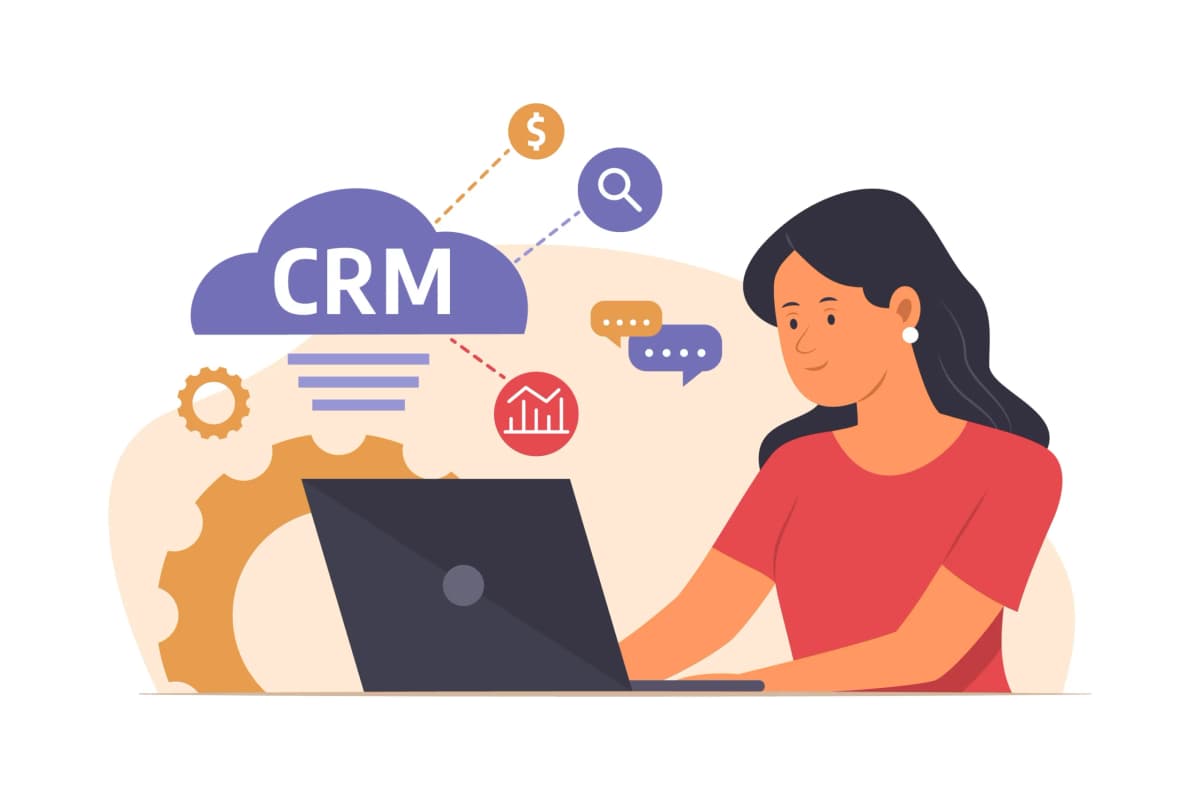
In today’s highly competitive digital landscape, small businesses are constantly searching for ways to stay relevant and provide a seamless customer experience. One of the most effective strategies for achieving this goal is embracing omnichannel e-commerce. With the rise of online shopping, consumers expect convenience and flexibility in how they shop and interact with brands. Why Small Businesses Should Embrace Omnichannel E-commerce is not just a trend but a crucial strategy for increasing sales, improving customer satisfaction, and expanding market reach.
Small businesses, often working with limited resources, may hesitate to invest in omnichannel solutions. However, the benefits of an integrated, consistent approach across multiple channels—whether physical, online, mobile, or social media—are undeniable. In this article, we will explore the reasons why small businesses should embrace omnichannel e-commerce and how they can successfully implement this strategy to boost their business.
Understanding Omnichannel E-commerce
Omnichannel e-commerce refers to the practice of providing a seamless shopping experience across multiple platforms, both online and offline. Unlike multichannel strategies that may treat each platform separately, omnichannel integrates all customer touchpoints into a unified experience. Customers can move between physical stores, online platforms, mobile apps, and even social media with ease, while businesses can track interactions and preferences across all channels.
By adopting an omnichannel approach, small businesses can engage their customers in the way they prefer, allowing them to shop whenever, wherever, and however they want. For example, a customer might browse products on a business’s website, check availability in a nearby store through a mobile app, and make a purchase in-person or online. This integration of various channels ensures that small businesses stay competitive in a fast-paced, customer-centric marketplace.
The Benefits of Omnichannel E-commerce for Small Businesses
1. Improved Customer Experience
The most significant benefit of embracing omnichannel e-commerce is the enhancement of customer experience. Customers no longer want to interact with a business through a single channel. They expect a consistent experience whether they are shopping online from a desktop, browsing on their phone, or visiting a brick-and-mortar store.
With an omnichannel approach, businesses can deliver a personalized experience based on previous interactions across different platforms. For example, if a customer adds items to their cart online but doesn’t complete the purchase, they may receive a reminder on their mobile app or via email. This level of personalization increases customer satisfaction and encourages loyalty.
2. Increased Sales Opportunities
When small businesses offer multiple avenues for customers to engage, they significantly increase the likelihood of sales. An omnichannel approach ensures that businesses are accessible at all times, whether online, via a mobile app, or in a physical store. Customers can shop whenever they prefer, and small businesses can capture a broader market by reaching consumers who may not have visited their website or physical location otherwise.
Omnichannel also allows businesses to offer various payment options, increasing convenience for customers. The integration of payment solutions such as mobile wallets, credit cards, and buy-now-pay-later options helps businesses cater to different customer preferences, driving higher conversion rates.
3. Enhanced Brand Visibility and Reach
One of the challenges faced by small businesses is expanding their reach and visibility. Omnichannel e-commerce allows businesses to tap into a larger audience by connecting with customers on different platforms. By offering a consistent and cohesive brand message across multiple channels, small businesses increase brand awareness and recognition.
A customer might initially discover a brand on social media but then complete their purchase via the website or in-store. This cross-channel engagement helps to boost the brand’s presence and ensure that it stays top-of-mind for consumers.
4. Better Data Insights and Customer Analytics
By adopting an omnichannel approach, small businesses gain access to valuable customer data across different touchpoints. This data allows businesses to better understand customer preferences, shopping habits, and pain points, enabling them to make data-driven decisions.
For example, businesses can track which products are most frequently purchased online versus in-store or identify which channels drive the most traffic. With this information, businesses can optimize their marketing strategies and tailor their product offerings to meet customer demand more effectively.
5. Stronger Customer Loyalty and Retention
Offering a seamless shopping experience that spans multiple channels helps to build stronger customer loyalty. When customers experience a smooth transition between online and offline platforms, they are more likely to return to your store. Customers appreciate businesses that make their shopping experience easier and more convenient. By providing flexibility in how customers interact with your brand, you create a lasting relationship that fosters trust and satisfaction.
6. Increased Operational Efficiency
Integrating all channels into a single, cohesive system allows small businesses to streamline operations. Inventory management, order fulfillment, and customer service can be improved with a centralized system that tracks orders across multiple channels. For example, businesses can use a unified system to manage their stock, ensuring that products available in physical stores are also reflected online. This reduces the risk of overselling or understocking products and ensures a more efficient supply chain.
How Small Businesses Can Implement Omnichannel E-commerce
Adopting an omnichannel strategy may seem like a daunting task for small businesses, but the process can be broken down into manageable steps. Below are some practical tips for implementing omnichannel e-commerce effectively.
1. Start with a Unified Platform
To offer a seamless experience, small businesses should start by investing in a unified platform that integrates their online store, physical store, and mobile apps. This platform should allow real-time tracking of inventory, sales data, and customer information. Having all customer interactions in one place makes it easier to provide a consistent experience across channels.
2. Leverage Social Media for Engagement
Social media platforms offer a valuable opportunity to engage with customers directly and drive traffic to your website or store. Businesses should ensure they have an active presence on social media channels such as Facebook, Instagram, and Twitter. By integrating these channels into their omnichannel strategy, small businesses can make it easy for customers to transition from browsing on social media to making a purchase on the website or in-store.
3. Offer Multiple Payment Options
In an omnichannel environment, customers expect flexibility in payment options. Small businesses should offer a variety of payment methods, including credit cards, PayPal, mobile wallets, and even cash on delivery for in-store purchases. By offering multiple payment options, businesses can ensure they cater to a diverse customer base.
4. Optimize for Mobile Devices
Mobile commerce (m-commerce) is becoming increasingly popular. Small businesses must ensure that their website, mobile app, and other platforms are optimized for mobile devices. This includes making the site mobile-friendly, offering mobile payment solutions, and ensuring that customer service is available through mobile channels.
5. Focus on Customer Support
Providing excellent customer service across all channels is crucial to the success of an omnichannel strategy. Small businesses should ensure that customer support is easily accessible via chatbots, email, phone, or social media. The goal is to provide quick responses to customer inquiries and resolve issues seamlessly, no matter where the customer reaches out.
6. Use Data to Personalize Experiences
By leveraging customer data, businesses can personalize the shopping experience across different touchpoints. For example, offering personalized product recommendations based on previous browsing behavior or sending tailored promotions via email or mobile app notifications can help drive sales and increase customer satisfaction.
Omnichannel E-commerce: A Table of Key Benefits
| Benefit | Description |
|---|---|
| Improved Customer Experience | Provides customers with a seamless shopping experience across all channels, leading to greater satisfaction. |
| Increased Sales | Multiple touchpoints provide more opportunities for conversion, driving higher sales volumes. |
| Brand Visibility | Exposure across different channels increases brand awareness and attracts a broader audience. |
| Better Data Analytics | Collects comprehensive data from different touchpoints, providing valuable insights into customer behavior and preferences. |
| Customer Loyalty | A seamless, flexible shopping experience builds trust, leading to stronger customer loyalty and higher retention rates. |
| Operational Efficiency | Streamlined operations and inventory management improve overall business efficiency. |
FAQs: Why Small Businesses Should Embrace Omnichannel E-commerce
1. What is omnichannel e-commerce?
Omnichannel e-commerce refers to providing a seamless shopping experience across all channels, including online stores, physical locations, mobile apps, and social media, ensuring customers can engage with the brand wherever and however they prefer.
2. How can small businesses implement omnichannel e-commerce?
Small businesses can start by integrating their sales platforms into one unified system, offering multiple payment options, optimizing for mobile devices, and ensuring consistent customer service across all channels.
3. What are the benefits of omnichannel e-commerce?
The benefits include improved customer experience, increased sales opportunities, enhanced brand visibility, better data insights, stronger customer loyalty, and operational efficiency.
4. Is omnichannel e-commerce cost-effective for small businesses?
While it requires investment in technology and resources, the long-term benefits—such as increased sales, customer loyalty, and market reach—often outweigh the initial costs, making it a worthwhile strategy for growth.
5. How does omnichannel e-commerce impact customer loyalty?
By offering a seamless and personalized shopping experience across all channels, omnichannel e-commerce helps businesses build stronger relationships with customers, increasing loyalty and retention.
Conclusion
Why Small Businesses Should Embrace Omnichannel E-commerce is clear. By offering a consistent and seamless shopping experience across various platforms, small businesses can stay competitive, improve customer satisfaction, and drive more sales. Implementing an omnichannel strategy may require effort and investment, but the rewards in customer loyalty, sales, and operational efficiency make it an essential strategy for future success. Embrace omnichannel e-commerce today and watch your small business thrive in the modern digital marketplace.