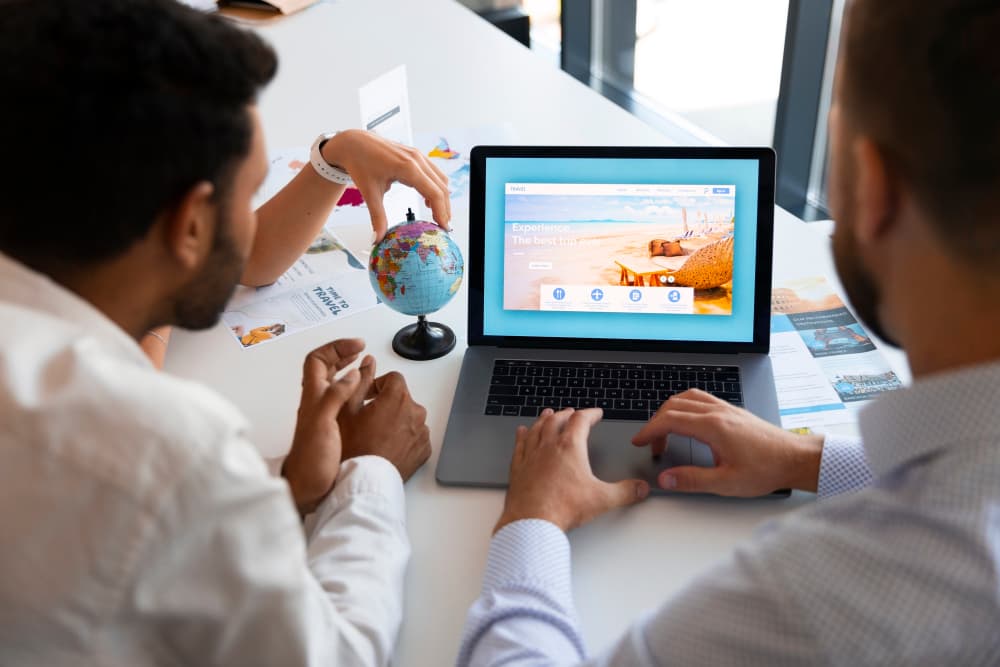
The hospitality industry has entered an era where guest journeys begin long before travelers walk through a hotel’s doors. Potential guests compare accommodations, read reviews, explore websites, and interact with brands across multiple digital platforms before making a reservation. Hotels that adapt to these changing behaviors gain a competitive advantage, while those relying solely on traditional approaches often struggle to maintain visibility. This shift has made digital marketing for hotels an essential component of sustainable growth. From boutique properties to luxury resorts, hospitality brands increasingly depend on strategic digital efforts to attract guests and strengthen loyalty.
This guide explores the most effective strategies modern hospitality businesses can adopt to remain competitive in an evolving marketplace. Rather than focusing on trends without context, it highlights practical approaches that hospitality leaders can understand and implement to improve guest acquisition and retention. Whether the goal is increasing direct bookings, strengthening brand awareness, or enhancing guest relationships, these insights provide valuable direction. Businesses seeking expert support can benefit from hospitality-focused marketing specialists who understand the unique demands of the industry and can help maximize the impact of digital marketing for hotels.
Things Every Hotel Brand Should Understand Before Investing in Digital Marketing
Digital marketing delivers better outcomes when hospitality businesses understand the factors influencing guest decisions. Success depends not only on selecting the right channels but also on recognizing how travelers research, evaluate, and choose accommodations. The following considerations provide a foundation for making informed marketing decisions.
Understanding How Today’s Travelers Research and Book Hotels
Modern travelers rely heavily on digital touchpoints throughout the planning process. They compare prices, browse images, evaluate amenities, and seek reassurance through guest feedback before committing to a booking. Convenience and transparency significantly influence their choices.
Hotels that understand this behavior can create experiences aligned with guest expectations. Delivering accurate information and seamless navigation helps reduce friction and improves booking confidence.
Why Guest Reviews Influence Booking Decisions More Than Ever
Online reviews often serve as social proof for prospective guests. Positive experiences shared by previous visitors reassure travelers and build trust.
Responding thoughtfully to feedback demonstrates professionalism and attentiveness. Reputation management should remain an ongoing effort rather than an occasional task.
The Role of Data in Modern Hospitality Marketing Strategies
Data helps hospitality brands understand audience preferences, campaign performance, and booking trends. Rather than relying on assumptions, businesses can make evidence-based decisions.
Tracking meaningful metrics enables continuous refinement and supports better allocation of marketing resources.
Why Consistent Branding Across Channels Matters
Travelers encounter hospitality brands through multiple platforms. Consistent messaging, visuals, and tone create familiarity and trust.
A cohesive presence reinforces professionalism and contributes to stronger brand recognition throughout the customer journey.
How Long-Term Marketing Planning Drives Sustainable Growth
Short-term campaigns can generate immediate attention, but long-term planning encourages loyalty and repeat business.
Strategic consistency allows hospitality brands to adapt to evolving market conditions while maintaining focus on broader objectives.
How a High-Converting Hotel Website Can Increase Direct Bookings
A hotel’s website functions as its most valuable digital asset. It often represents the first meaningful interaction prospective guests have with the brand. Visitors expect fast loading times, intuitive navigation, and a seamless booking experience.
An effective hospitality website should balance visual appeal with functionality. High-quality imagery, clear calls to action, and accessible information encourage confidence and support direct reservations, reducing dependence on third-party booking channels.
Essential Features of an Effective Hotel Website
- Mobile-responsive design
- Simple booking pathways
- Fast page loading speeds
- Secure browsing experiences
- Professional photography
- Transparent pricing details
- Accessible contact information
Why Search Engine Visibility Is Essential for Hospitality Growth
Appearing when travelers actively search for accommodations increases the likelihood of attracting qualified visitors. Visibility ensures hotels remain part of the consideration process during critical decision-making moments.
Strong search presence contributes to increased direct traffic and supports long-term brand awareness. Hotels that prioritize discoverability improve opportunities to engage travelers who are ready to book.
Benefits of Strong Search Visibility
- Increased qualified website traffic
- Better direct booking opportunities
- Greater brand awareness
- Reduced reliance on intermediaries
- Improved competitive positioning
How Social Media Helps Hotels Build Stronger Guest Relationships
Social platforms provide hospitality brands with opportunities to showcase experiences beyond traditional advertising. Through authentic storytelling and meaningful interactions, hotels can inspire potential guests while nurturing loyalty among existing audiences.
Content highlighting guest experiences, local attractions, and behind-the-scenes moments creates emotional connections. Consistent engagement also demonstrates responsiveness and accessibility.
Effective Hospitality Social Media Activities
- Sharing guest testimonials
- Highlighting destination experiences
- Hosting interactive campaigns
- Celebrating milestones and events
- Responding to audience inquiries
- Showcasing unique amenities
Why Content Marketing Has Become a Competitive Advantage for Hotels
Travelers appreciate brands that provide useful and inspiring information. Content marketing allows hospitality businesses to position themselves as trusted resources throughout the planning journey.
Educational and experience-driven content encourages deeper engagement while supporting broader visibility goals. It helps hotels remain relevant even before travelers are ready to book.
Valuable Content Ideas for Hospitality Brands
- Destination guides
- Local travel recommendations
- Seasonal activity suggestions
- Event highlights
- Travel planning tips
- Guest experience stories
How Email Marketing Encourages Repeat Guests and Brand Loyalty
Email remains one of the most effective channels for maintaining guest relationships. Personalized communication supports engagement before, during, and after the guest experience.
Thoughtful messaging enhances satisfaction and increases the likelihood of repeat bookings. Segmenting audiences ensures communications remain relevant and valuable.
Examples of Effective Hospitality Emails
- Reservation confirmations
- Pre-arrival information
- Personalized offers
- Post-stay feedback requests
- Loyalty updates
- Seasonal campaigns
How Paid Advertising Helps Hospitality Brands Reach High-Intent Travelers
Paid advertising allows hospitality businesses to achieve visibility more quickly than organic efforts alone. It supports promotional campaigns and helps brands target specific audience segments.
Well-managed campaigns can improve efficiency by focusing resources on travelers most likely to convert. Continuous optimization ensures stronger performance over time.
Advantages of Paid Hospitality Campaigns
- Faster market visibility
- Precise audience targeting
- Seasonal promotion opportunities
- Budget flexibility
- Measurable performance insights
- Increased booking potential
Why Personalization Is Shaping the Future of Guest Experiences
Today’s travelers expect interactions tailored to their preferences and interests. Personalization enhances relevance and demonstrates a deeper understanding of guest needs.
Customized recommendations and communications contribute to stronger emotional connections. Hotels embracing personalization often achieve higher satisfaction and improved retention.
Ways Hotels Can Personalize Experiences
- Customized promotions
- Tailored recommendations
- Preference-based communication
- Loyalty recognition
- Relevant content delivery
- Personalized follow-ups
Why Hospitality Brands Choose Edgenroots for Digital Marketing Success
Hospitality businesses require marketing partners who understand the industry’s complexity and evolving guest expectations. Generic strategies rarely deliver meaningful results within such a competitive environment.
Edgenroots focuses on developing thoughtful, data-informed approaches tailored to hospitality objectives. Their emphasis on measurable outcomes, creativity, and adaptability enables brands to strengthen visibility, enhance engagement, and support long-term growth.
By aligning marketing initiatives with business goals, hospitality brands gain the confidence to navigate changing trends while continuing to deliver exceptional guest experiences.
Conclusion: Building a Stronger Future Through Strategic Digital Marketing for Hotels
The hospitality industry continues to evolve as traveler expectations become increasingly sophisticated. Hotels that embrace innovation and prioritize meaningful digital interactions place themselves in stronger positions to attract, engage, and retain guests.
From building high-performing websites and enhancing search visibility to leveraging social media, content, email, and personalization, each strategy contributes to a more effective marketing ecosystem. Success does not depend on adopting every trend but on selecting the approaches that align with brand objectives and guest expectations.
For hospitality leaders seeking sustainable growth, strategic execution remains the defining factor. By investing thoughtfully in digital initiatives and partnering with experienced professionals when necessary, hotels can strengthen their competitive position and create memorable experiences that extend far beyond the booking process.