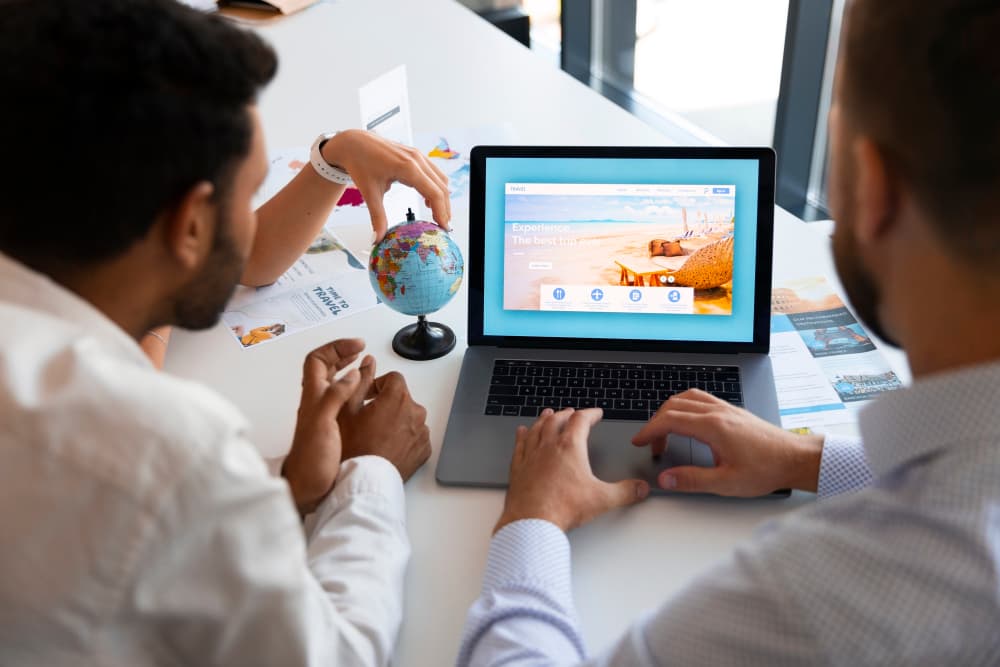
The hospitality industry has become more competitive than ever, with travelers having countless options at their fingertips. While online travel agencies (OTAs) help hotels gain visibility, they also take a significant portion of revenue through commissions. As a result, hotel owners and managers are increasingly focusing on strategies that encourage guests to book directly through their websites. This shift has made digital marketing for hotels one of the most important investments for properties looking to improve profitability, strengthen customer relationships, and build long-term brand loyalty. Hotels that prioritize direct booking strategies often gain better control over guest experiences while maximizing revenue opportunities.
Whether you manage a boutique hotel, luxury resort, business hotel, or hospitality chain, understanding the most effective marketing solutions can help you stay ahead of competitors. From website optimization and content creation to social media engagement and paid advertising, there are numerous ways to attract travelers and convert them into direct guests. In this guide, we will explore the most effective hotel marketing solutions that increase direct bookings and improve overall business performance. By implementing these approaches consistently, hotels can reduce dependency on third-party platforms and create a stronger, more profitable online presence.
Understanding What Drives Direct Hotel Bookings
Before implementing marketing strategies, it is important to understand the factors that influence a traveler’s booking decision. Direct bookings are often the result of trust, convenience, value, and brand perception. Travelers compare multiple properties before making a final choice, which means every digital touchpoint plays a critical role in the customer journey.
Hotels that consistently achieve higher direct bookings typically focus on several key elements:
- A user-friendly website
- Strong online visibility
- Positive guest reviews
- Competitive pricing
- Mobile-friendly booking experiences
- Personalized communication
- Consistent brand messaging
When these factors work together, they create a seamless experience that encourages guests to book directly rather than through third-party channels.
The Importance of First Impressions Online
A hotel’s website often serves as the first interaction between a traveler and the brand. Visitors form opinions within seconds, making design, speed, and usability crucial factors in conversion success. A modern and visually appealing website immediately communicates professionalism and trustworthiness.
High-quality images, engaging videos, clear navigation, and compelling content help create confidence among potential guests. When visitors can quickly find information and complete reservations without friction, they are more likely to book directly.
Why Trust Influences Booking Decisions
Travelers are making significant purchasing decisions when booking accommodations. They want reassurance that the property matches their expectations and offers a reliable experience. Trust is built through transparent communication, guest reviews, secure booking systems, and consistent branding.
Hotels that showcase authentic guest experiences and provide accurate information throughout the booking process often achieve stronger conversion rates. Trust reduces hesitation and encourages travelers to finalize reservations directly.
The Role of Mobile Booking Behavior
Mobile devices now dominate travel research and booking activities. Travelers frequently browse destinations, compare hotels, and complete reservations from smartphones and tablets. Hotels that fail to optimize for mobile users risk losing potential direct bookings.
A mobile-friendly website ensures visitors can easily navigate pages, view images, and complete bookings regardless of device. Fast loading times and responsive design contribute significantly to booking success.
Guest Experience Starts Before Arrival
The customer journey begins long before check-in. Every interaction, from website visits to email communication, shapes guest expectations. Hotels that provide valuable information and seamless communication establish positive impressions early.
By delivering a smooth digital experience before arrival, hotels create confidence that often translates into direct bookings and future loyalty.
Data Helps Improve Marketing Performance
Successful hotel marketing relies on data-driven decision-making. Understanding visitor behavior, booking trends, and customer preferences allows hotels to refine campaigns and improve results over time.
Analyzing website traffic, booking sources, and campaign performance provides valuable insights that support better marketing investments and stronger booking outcomes.
Build a High-Converting Hotel Website
A hotel’s website serves as its primary direct booking channel. An attractive design alone is not enough; the website must guide visitors toward completing reservations efficiently and confidently.
Every page should support the booking journey while delivering relevant information that travelers need during decision-making.
Essential Features Every Hotel Website Needs
To maximize direct bookings, hotels should prioritize:
- Fast loading speed
- Mobile responsiveness
- Clear booking buttons
- Secure payment gateways
- High-quality photography
- Detailed room descriptions
- Transparent pricing
- Guest testimonials
- Frequently asked questions
These features reduce friction and create a more user-friendly booking experience.
Strengthen Search Engine Visibility
Search engines play a major role in how travelers discover accommodation options. When potential guests search for hotels in a destination, appearing prominently in search results can significantly impact booking opportunities.
A strong search presence helps hotels attract qualified traffic from travelers actively planning trips and looking for accommodations.
Create Valuable Content for Travelers
Content marketing helps hotels reach travelers during the research phase of their journey. Publishing destination guides, travel tips, local attraction recommendations, and seasonal activity suggestions provides value while increasing online visibility.
Relevant content positions the hotel as a helpful resource and encourages visitors to spend more time on the website, increasing the likelihood of direct bookings.
Use Social Media to Engage Potential Guests
Social media platforms have become powerful channels for hotel marketing. Travelers often seek inspiration and recommendations through visual content before making booking decisions.
Hotels that maintain active social profiles can build stronger connections with potential guests while showcasing their unique experiences and amenities.
Showcase Experiences Instead of Just Rooms
Travelers are purchasing experiences rather than simply reserving accommodations. Social media content should highlight memorable guest moments, local attractions, dining experiences, wellness offerings, and unique property features.
Engaging visual storytelling helps potential guests imagine themselves staying at the property, making direct booking more appealing.
Invest in Targeted Paid Advertising
Paid advertising enables hotels to reach highly specific audiences based on demographics, interests, travel intentions, and geographic locations. Well-structured campaigns can generate immediate visibility and qualified traffic.
Unlike organic efforts that require time to build momentum, paid campaigns can quickly increase awareness and direct booking opportunities.
Focus on High-Intent Audiences
The most effective hotel advertising campaigns target users who are actively researching travel plans. These audiences are more likely to convert because they already demonstrate purchase intent.
Successful campaigns often focus on:
- Destination-specific searches
- Seasonal travelers
- Repeat guests
- Event attendees
- Business travelers
- Family vacation planners
Targeted advertising helps maximize return on marketing investment.
Leverage Email Marketing for Repeat Bookings
Email remains one of the most effective channels for maintaining guest relationships and encouraging repeat reservations. Unlike third-party platforms, email provides direct communication with previous and prospective guests.
Personalized campaigns can nurture relationships long after guests complete their stays.
Build Long-Term Guest Loyalty
Hotels can use email marketing to share:
- Exclusive offers
- Seasonal promotions
- Local event updates
- Loyalty program benefits
- Personalized recommendations
- Upcoming packages
Regular communication keeps the hotel top of mind and increases the likelihood of future direct bookings.
Manage Online Reviews and Reputation
Online reviews significantly influence booking decisions. Many travelers read multiple reviews before selecting accommodations, making reputation management an essential part of hotel marketing.
A strong online reputation enhances trust and supports direct booking efforts.
Encourage and Respond to Guest Feedback
Hotels should actively encourage satisfied guests to leave reviews while responding professionally to all feedback. Positive engagement demonstrates commitment to guest satisfaction and strengthens brand credibility.
Consistent review management also provides valuable insights into operational improvements and guest expectations.
Personalize the Guest Journey
Modern travelers expect personalized experiences throughout the booking process. Personalization helps hotels differentiate themselves while increasing conversion rates.
By understanding guest preferences and behaviors, hotels can create more relevant marketing messages and offers.
Deliver Relevant Offers at the Right Time
Personalized marketing can include:
- Location-based promotions
- Seasonal packages
- Returning guest incentives
- Family travel offers
- Business traveler packages
- Special occasion experiences
Tailored messaging improves engagement and encourages direct reservations.
Optimize Booking Engine Performance
Even the most successful marketing campaigns can fail if the booking engine creates friction. The reservation process should be simple, intuitive, and secure.
A streamlined booking experience helps reduce abandonment and maximize conversions.
Reduce Steps to Complete Reservations
Guests should be able to complete bookings quickly without unnecessary complexity. Simplifying forms, offering multiple payment options, and providing transparent pricing improve user satisfaction and booking completion rates.
Every additional step introduces potential friction that can discourage reservations.
Track Performance and Continuously Improve
Digital marketing success requires ongoing measurement and optimization. Hotels that regularly analyze performance data can identify opportunities for improvement and allocate resources more effectively.
Marketing strategies should evolve based on customer behavior and industry trends.
Monitor Key Metrics That Matter
Important metrics include:
- Website traffic
- Direct booking rates
- Conversion rates
- Revenue per booking
- Cost per acquisition
- Email engagement rates
- Social media performance
- Advertising return on investment
Tracking these indicators supports informed decision-making and long-term growth.
Why Choose EdgenRoots for Hotel Marketing Success?
Hotels need more than isolated marketing tactics to increase direct bookings. They need a strategic partner that understands hospitality trends, traveler behavior, and digital growth opportunities. A comprehensive approach combines website optimization, content marketing, social media management, advertising, reputation management, and performance analysis into one cohesive strategy.
EdgenRoots helps hospitality businesses build stronger online visibility, attract qualified travelers, and convert more website visitors into paying guests. By focusing on measurable outcomes and sustainable growth, the team develops customized marketing strategies designed specifically for hotel brands seeking higher direct booking rates. Their expertise allows hotels to strengthen customer relationships, reduce dependence on third-party booking platforms, and maximize long-term revenue potential.
Conclusion
Increasing direct bookings is one of the most effective ways for hotels to improve profitability and maintain greater control over the guest experience. While online travel agencies continue to play a role in hospitality marketing, hotels that invest in strong digital strategies can create more sustainable growth opportunities. From website optimization and search visibility to social media engagement and personalized communication, every element contributes to a stronger booking ecosystem.
The most successful hotels view marketing as an ongoing process rather than a one-time initiative. Consistent optimization, data analysis, and guest-focused experiences help create lasting competitive advantages. By implementing the hotel marketing solutions outlined in this guide, hospitality businesses can attract more qualified travelers, strengthen brand loyalty, and increase direct bookings over time. With the right strategy and execution, hotels can build a more resilient and profitable future in an increasingly competitive marketplace.